
Vitoshko-Studena State Hunting Area
The State Hunting Area Vitoshko-Studena was established in 1967. It encompasses parts of the southwestern slopes of Vitosha Mountain and areas of the Kraishte-Osogovo hunting region.
The deciduous forests, including beech, Turkey oak, winter oak, hornbeam, birch, linden, aspen, and wild cherry, enrich every corner of the landscape. The flora of Vitosha is proven to be richer than that of many European mountains, and the terrain varies from subalpine in the higher parts to wide plateaus in the lower areas.
The state forest territories of the hunting area, covering 9,898 hectares, fall almost entirely within the boundaries of Vitosha Nature Park, a protected area under Natura 2000.
Visitors have the opportunity to enjoy the natural treasures at altitudes ranging from 850 to 2,290 meters.
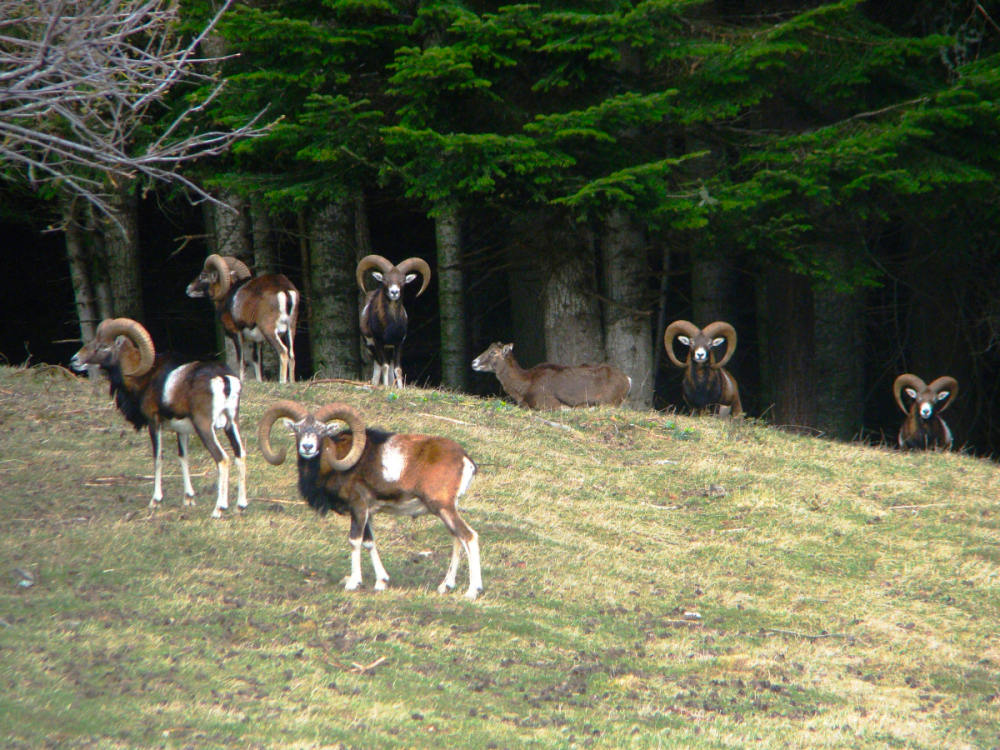
The combination of diverse vegetation, favorable climate, and hydrological richness of the area supports a rich fauna, including wild boar, roe deer, red deer, fallow deer, mouflon, hare, partridge, pheasant, and many other game species. Predators such as bear, wolf, fox, marten, wildcat, badger, and otter are also present.
The best trophies harvested in the area are: Red deer – 246.81 CIC points; Fallow deer – 202.8 CIC points; Wild boar – 140.85 CIC points; Mouflon – 232.30 CIC points; Roe deer – 132 CIC points; Wolf – 142 CIC points.
The area is also rich in fish. Visitors can enjoy fishing for native Balkan trout, American trout, and various other fish species in the Studena Reservoir.
Within the hunting area, five ancient trees are registered, the oldest being a 441-year-old Turkey oak located in the Sv. Petar locality near the village of Yarlovo.
Local landmarks include Cherni Vrah, the highest peak of Vitosha; Duhlata, the longest cave in the country; and the Church of St. Theodore Stratelates in the village of Bosnek.
Visitors can also indulge in culinary specialties made from game, such as stewed wild boar in pumpkin and spit-roasted meat.